



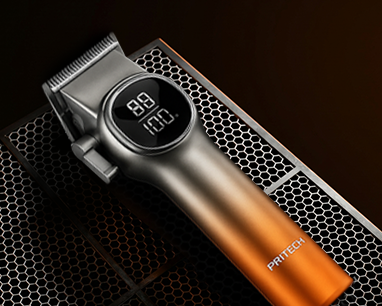
Regular maintenance has a direct influence on clipper performance, blade lifespan, and user comfort. Neglecting cleaning and lubrication is one of the primary reasons clippers overheat, lose sharpness prematurely, or begin to tug.
After every use, clipper blades should be cleared of hair, especially around the blade teeth and drive mechanism. For barbers, this prevents cross-contamination and supports hygiene standards. For home users, it protects moving components from resistance buildup.
In professional environments, sanitation is regulated. Sprays or wipes formulated for metal cutting tools eliminate bacteria, fungi, and viruses while preventing corrosion. These products are designed to disinfect without dulling the blade surface.
Oil reduces metal-to-metal friction between the stationary and moving blades. Without lubrication, increased friction causes heat, wear, and loss of cutting efficiency. Applying a few drops along the blade channel before each use ensures smoother operation and cleaner cuts.
Oil should be applied while the clipper is running to allow even distribution. Excess oil should be wiped away to prevent residue buildup on the skin or guard system. For distributors and retail partners, recommending proper oiling practices reduces customer complaints and blade returns.
Clipper heads and blades vary by design. Detachable systems allow deeper cleaning behind the cutting set and drive arm, while fixed systems benefit from compressed air and brush cleaning. Manufacturers may specify different maintenance cycles for consumer vs professional environments.
Prolonging Lifespan and Performance
Routine maintenance contributes to:
Maintenance education is particularly relevant for B2B partners, as under-maintained equipment often results in service tickets or avoidable warranty claims.
No account yet?
Create an Account
