



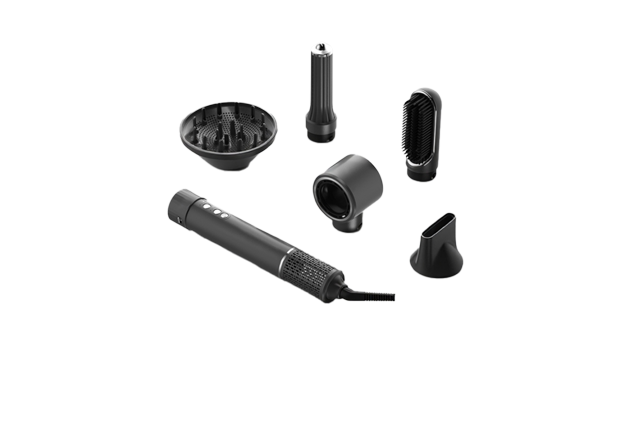

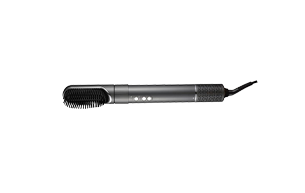
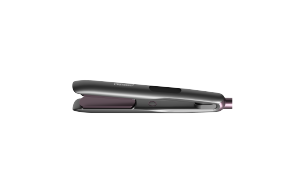
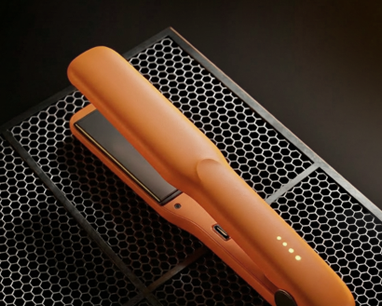
Hair straighteners rely heavily on plate material to deliver smooth styling results with minimal hair damage. Ceramic and titanium dominate the market, but their performance characteristics support different hair types, texture needs, and usage scenarios.
Ceramic is valued for its even heat distribution and smooth surface. It is suitable for fine to normal hair types and for users who prioritize safety and reduced heat damage. Ceramic plates help prevent hot spots, making them forgiving for everyday styling and beginner usage.
Titanium heats quickly and maintains temperature under load. It excels on thick, coarse, or textured hair where higher temperatures and efficient heat transfer are required to create straight results with fewer passes. Titanium is favored in professional salons for durability and speed.
Ceramic’s more controlled temperature behavior reduces accidental overheating, while titanium supports higher set temperatures for difficult-to-style hair. For brands and B2B channels, offering both provides better segmentation and retail assortment.
Professionals optimize for throughput and consistency, making titanium a preferred material. Consumers who style occasionally benefit from ceramic due to lower learning curve and reduced risk of thermal damage.
Titanium plates generally offer higher durability and longer service life, while ceramic provides stronger accessibility at lower retail cost points. This dual positioning supports retail laddering from entry to premium tiers.
No account yet?
Create an Account
