


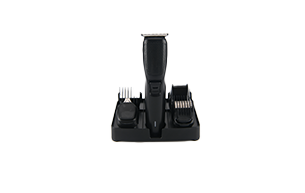
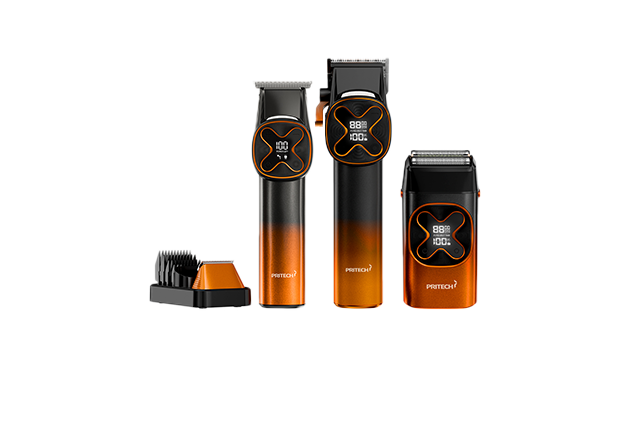
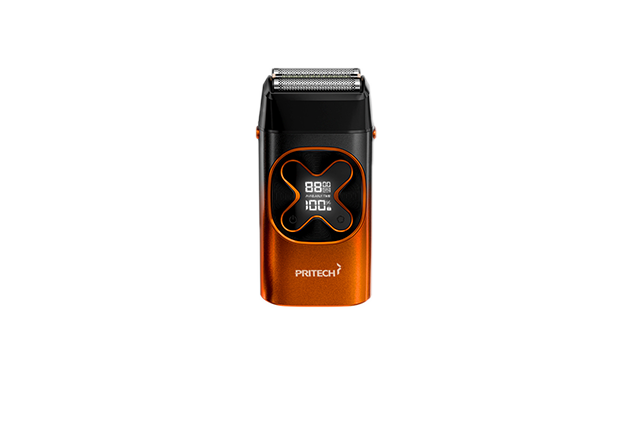


In professional grooming, results are defined by consistency, control, and reliability. While clippers often receive the most attention, guard systems play a critical role in determining cutting accuracy and overall workflow efficiency. From a product and channel perspective, a high-performance clipper guard system should be evaluated against five essential criteria.
In professional environments, guards are attached, removed, cleaned, and reused dozens of times per day. High-quality guard systems are engineered with reinforced materials that resist deformation, cracking, and long-term wear. Durability directly impacts product lifespan, customer satisfaction, and replacement frequency across retail and professional channels.
Stability refers to how precisely and securely a guard interfaces with the clipper blade. A well-designed guard snaps on cleanly, maintains consistent alignment, and remains firmly in place throughout the cutting process. From a professional standpoint, unstable guards increase error rates, disrupt workflow, and undermine trust in the tool system as a whole.
Fluidity describes how smoothly guards perform when switching lengths or blending between sizes. Professional users rely on predictable spacing and consistent cutting geometry to achieve fades, tapers, and layered styles efficiently. A coherent guard system reduces the need for corrective passes and improves overall cutting speed and finish quality.
For distributors, retailers, and professional users, availability is a functional requirement. Guard systems should be easy to source, simple to replace, and scalable across different markets and regions. Reliable availability supports after-sales service, reduces downtime, and strengthens long-term channel confidence.
Price should be evaluated in relation to durability, performance, and lifecycle cost. While entry-level guards may meet short-term needs, professionally designed systems deliver greater value through longevity, reduced failure rates, and consistent performance.
We believe clipper guards should be designed as part of an integrated cutting system, not as standalone accessories. Material choice, locking structure, length spacing, and supply continuity must work together to support professional use cases. When these fundamentals are right, the result is greater efficiency, higher consistency, and stronger confidence across the entire grooming workflow.
No account yet?
Create an Account
