



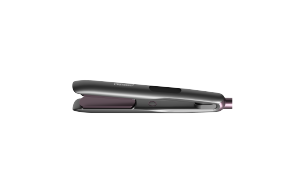
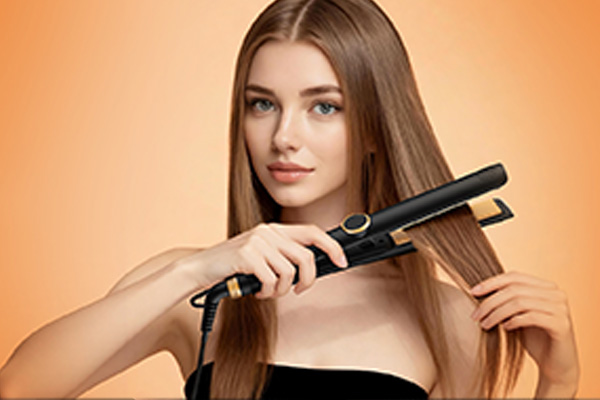
Floating plates are rarely advertised as the main feature of a straightener, yet they make a noticeable difference in styling comfort and long-term hair condition.
Traditional plates were fixed in position. Floating plates, by contrast, are mounted on a mechanism that allows them to adjust their angle and pressure when clamped around hair. As you move the straightener through a section, the plates subtly tilt and contour to the hair bundle.
Hair strands vary in diameter and tension while being straightened. A rigid plate setup creates uneven pressure — squeezing some strands tightly while barely contacting others. Floating plates correct this problem through improved pressure distribution.
The result is:
This also reduces the need for repeat passes, mitigating cumulative heat exposure.
Hair damage is not just about heat; it’s about friction and mechanical stress. Tugging, squeezing, and snagging contribute significantly to breakage. Floating plates allow:
For everyday users, this means styling that is both faster and gentler.
Floating plates help all hair types, but especially:
For thick hair, floating plates contribute more to comfort and consistency than damage protection.
Floating plates are a structural improvement, not a gimmick. Combined with materials like ceramic or titanium, they elevate straightener performance while reducing the hidden mechanical wear that accumulates over time.
No account yet?
Create an Account
