




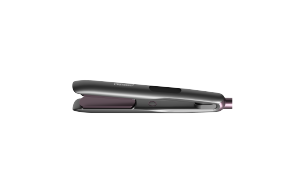
Straighteners may look similar from the outside, but the plate material fundamentally affects heat delivery, glide performance, and long-term hair health. Two of the most common high-end options are ceramic and titanium. Both work, but they perform differently depending on hair type and styling habits.
Ceramic Plates: Gentle and Predictable
Ceramic plates heat evenly and retain heat well without spikes. Because temperature distribution is uniform, they prevent localized hot spots — a key factor in reducing damage.
Best suited for:
Advantages:
Considerations:
Titanium Plates: Fast and Efficient
Titanium plates conduct heat aggressively and recover temperature quickly. This makes them highly efficient for dense or resistant hair types.
Best suited for:
Advantages:
Considerations:
Which Should You Choose?
Choose ceramic if your priority is hair health, control, and daily-safety. Choose titanium if your priority is speed, power, and efficiency on thicker hair.
For many users, ceramic starts as the baseline; titanium becomes valuable once styling needs become more demanding.
No account yet?
Create an Account
